

The Importance of Cyber Security in Today's Social Media Landscape
- Jan 13
- 3 min read
Social media connects billions of people worldwide, making it a powerful tool for communication, entertainment, and information sharing. Yet, this vast network also creates opportunities for cyber threats that can compromise personal data, privacy, and even safety. Understanding the value of cyber security in this environment is essential for anyone who uses social media regularly.

Why Cyber Security Matters on Social Media
Social media platforms collect vast amounts of personal information, from names and birthdays to location data and personal interests. This data can be exploited by hackers, scammers, and identity thieves. Cyber security helps protect users from:
Identity theft: Criminals can steal personal details to impersonate users or commit fraud.
Phishing attacks: Fake messages or links trick users into revealing passwords or financial information.
Account hijacking: Unauthorized access to accounts can lead to misuse or spreading of harmful content.
Privacy breaches: Sensitive information can be exposed publicly or sold without consent.
The consequences of these threats are not just digital. They can affect real-life finances, reputations, and emotional well-being.
Common Cyber Threats on Social Media
Understanding the types of cyber threats helps users recognize and avoid them. Some common risks include:
Fake profiles and scams: Fraudulent accounts often try to connect with users to steal information or money.
Malware links: Clicking on suspicious links can install harmful software on devices.
Data scraping: Automated tools collect user data for unauthorized use.
Social engineering: Attackers manipulate users into revealing confidential information.
For example, in 2021, a widespread phishing campaign targeted social media users by sending messages that appeared to come from friends, asking them to click on malicious links. Many users lost access to their accounts or had their data stolen.
How to Protect Yourself on Social Media
Taking simple but effective steps can significantly reduce the risk of cyber attacks:
Use strong, unique passwords for each social media account.
Enable two-factor authentication to add an extra layer of security.
Be cautious about accepting friend requests or messages from unknown people.
Avoid clicking on suspicious links or downloading unknown files.
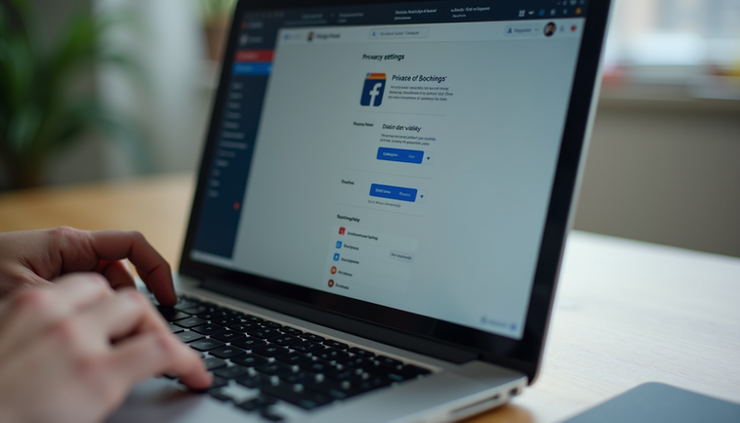
Regularly review privacy settings to control who can see your information.
Keep your device’s software and apps updated to fix security vulnerabilities.
These habits help create a safer social media experience and protect personal data.
The Role of Social Media Platforms in Cyber Security
Social media companies also have a responsibility to protect users. They invest in:
Automated detection systems that identify suspicious behavior or content.
User education through alerts and tips about security risks.
Reporting tools that allow users to flag harmful content or accounts.
Data encryption to secure communications and stored information.
Despite these efforts, users must remain vigilant because no system is completely foolproof.
The Future of Cyber Security on Social Media
As social media evolves, so do cyber threats. Emerging technologies like artificial intelligence and virtual reality introduce new risks but also new tools for defense. Users and platforms will need to adapt by:
Staying informed about the latest threats and security practices.
Supporting stronger regulations and standards for data protection.
Encouraging transparency from social media companies about how data is used.
Promoting digital literacy to help users recognize and respond to cyber risks.
Building a culture of security awareness benefits everyone in the social media community.


Comments