

IT Help Desk Solutions: Enhancing Productivity
- 11 minutes ago
- 4 min read
In today’s fast-paced business environment, reliable IT support is essential for maintaining smooth operations. When technology issues arise, they can disrupt workflows and reduce productivity. That is why investing in effective IT help desk solutions is critical. These solutions provide timely assistance, minimize downtime, and help businesses focus on their core activities without worrying about technical problems.
The Role of IT Help Desk Solutions in Business Efficiency
IT help desk solutions serve as the first line of defense against technical challenges. They offer a centralized point of contact for employees to report issues, request services, and receive guidance. This structure ensures that problems are addressed quickly and systematically.
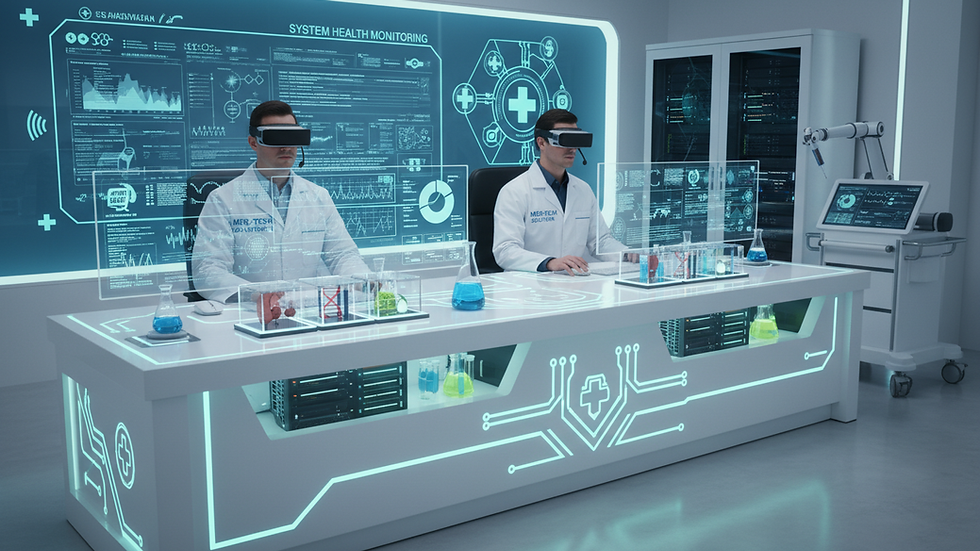
For example, a laboratory using a Laboratory Information Management System (LIMS) depends heavily on uninterrupted access to its software and hardware. If a system error occurs, the help desk can promptly diagnose and resolve the issue, preventing delays in critical testing and reporting.
Some key benefits of IT help desk solutions include:
Faster problem resolution: Trained technicians can quickly identify and fix issues.
Consistent support: Standardized procedures ensure uniform service quality.
Improved communication: Clear channels for reporting and updates reduce confusion.
Proactive maintenance: Regular monitoring helps prevent problems before they occur.
By implementing these solutions, businesses can reduce downtime and maintain steady productivity levels.
How IT Help Desk Solutions Improve Productivity
Productivity gains from IT help desk solutions come from several practical improvements. First, employees spend less time troubleshooting on their own. Instead of struggling with technical problems, they can quickly reach out to experts who provide immediate assistance.
Second, help desk systems often include ticketing software that tracks issues from start to finish. This transparency allows managers to monitor recurring problems and identify areas for improvement. For instance, if multiple users report slow network speeds, the IT team can investigate and upgrade infrastructure accordingly.
Third, many help desk solutions offer self-service portals with FAQs and knowledge bases. These resources empower users to resolve simple issues independently, freeing up support staff to focus on more complex tasks.
To maximize these benefits, businesses should:
Train employees on how to use help desk tools effectively.
Encourage prompt reporting of issues to avoid escalation.
Regularly review support data to identify trends and optimize resources.
These steps help create a responsive support environment that keeps operations running smoothly.
Is helpdesk the same as desktop support?
It is common to confuse helpdesk and desktop support, but they serve different functions within IT support.
Helpdesk typically refers to a centralized service that handles a wide range of IT issues, including software problems, account access, and general troubleshooting. It acts as the first point of contact and manages the flow of support requests.
Desktop support, on the other hand, focuses specifically on hardware and software issues related to individual workstations. This includes tasks like installing software, repairing hardware, and configuring devices.
While helpdesk staff may provide initial assistance and triage, desktop support technicians often perform hands-on repairs and maintenance. Both roles are essential, but helpdesk solutions provide a broader scope of service that supports overall IT management.
Understanding this distinction helps businesses allocate resources effectively and ensure that users receive the right type of support when needed.

Practical Tips for Choosing the Right IT Help Desk Solution
Selecting the right IT help desk solution requires careful consideration of your business needs. Here are some practical tips to guide the decision-making process:
Assess your current IT challenges: Identify common issues and support gaps.
Consider scalability: Choose a solution that can grow with your business.
Look for integration capabilities: Ensure compatibility with existing systems like LIMS.
Evaluate user experience: The interface should be intuitive for both staff and end-users.
Check reporting features: Detailed analytics help track performance and identify trends.
Prioritize security: Data protection is critical, especially for sensitive laboratory information.
Review vendor support: Reliable customer service from the provider is essential.
By focusing on these factors, you can select a solution that not only resolves technical problems but also enhances overall productivity.
Implementing IT Help Desk Solutions for Maximum Impact
Once you have chosen an IT help desk solution, effective implementation is key to realizing its benefits. Here are some steps to ensure a smooth rollout:
Communicate clearly: Inform all employees about the new system and how to use it.
Provide training: Offer hands-on sessions and documentation to build confidence.
Set clear expectations: Define response times and escalation procedures.
Monitor usage: Track how the system is being used and gather feedback.
Continuously improve: Use data insights to refine processes and address emerging needs.
For laboratories, integrating help desk support with LIMS can streamline issue resolution related to laboratory workflows. This integration reduces delays and supports compliance with regulatory standards.
By following these guidelines, businesses can create a support environment that minimizes downtime and maximizes operational efficiency.
Building a Future-Ready IT Support Strategy
Looking ahead, IT help desk solutions will continue to evolve with advances in technology. Automation, artificial intelligence, and remote support tools are becoming increasingly common. These innovations promise faster resolutions and more personalized service.
To stay ahead, businesses should:
Stay informed about emerging IT support trends.
Invest in ongoing training for IT staff.
Regularly review and update support policies.
Foster a culture of collaboration between IT and other departments.
By adopting a proactive approach, businesses can ensure their IT help desk solutions remain effective and aligned with their growth objectives.
In summary, reliable IT help desk solutions are vital for maintaining productivity and supporting business success. They provide timely assistance, reduce downtime, and enable employees to focus on their core tasks. With careful selection, implementation, and continuous improvement, these solutions become a powerful asset for any organization.



Comments